
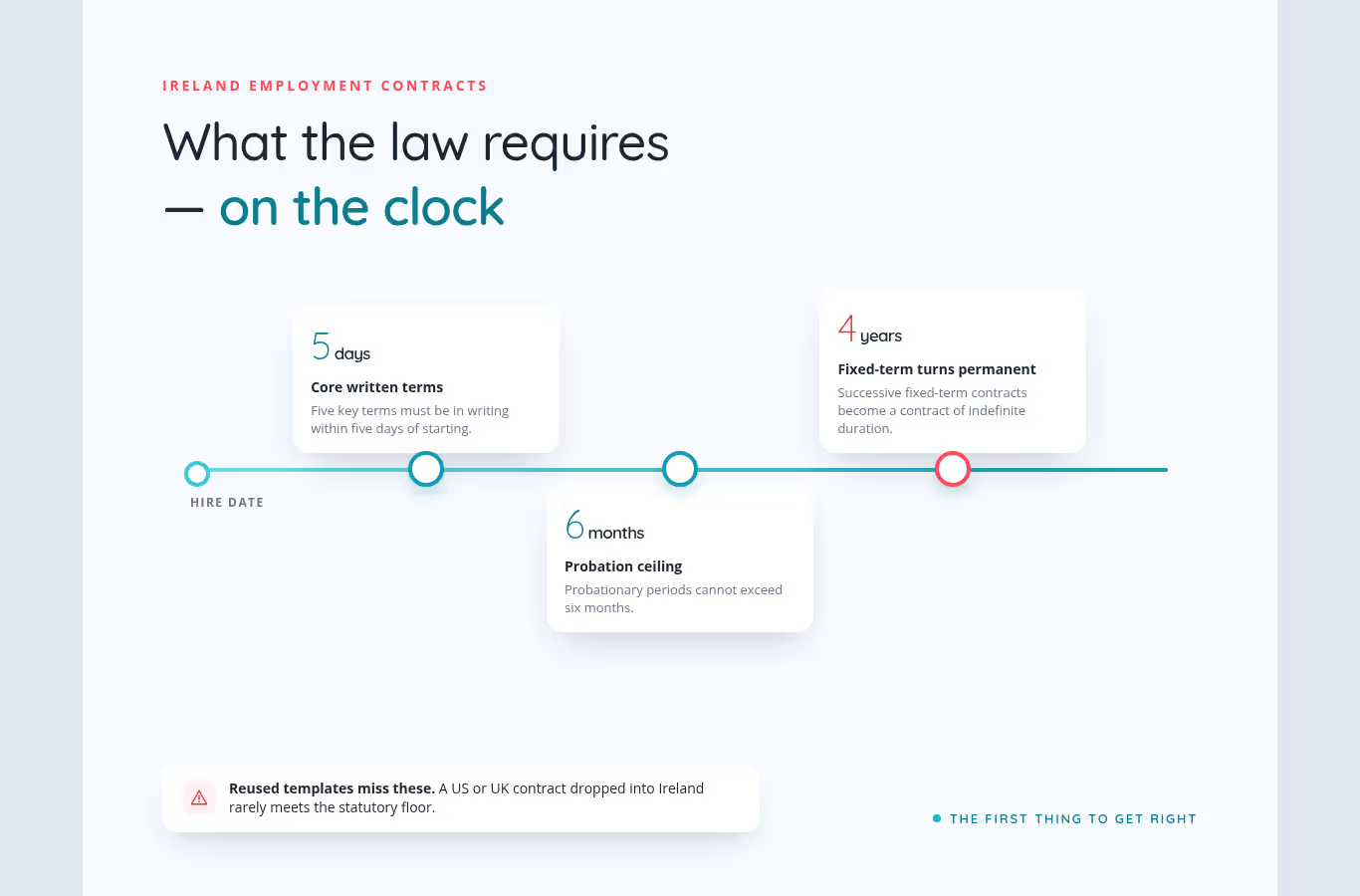
Ireland Employment Contracts: What the Law Requires
Forming a contract is one of the first things to get right when you hire in Ireland. This guide walks foreign employers through the five-day rule, the written terms Irish law requires, the six-month limit on probation, and the point where successive fixed-term contracts turn permanent, with practical notes on where reused templates tend to fall short.
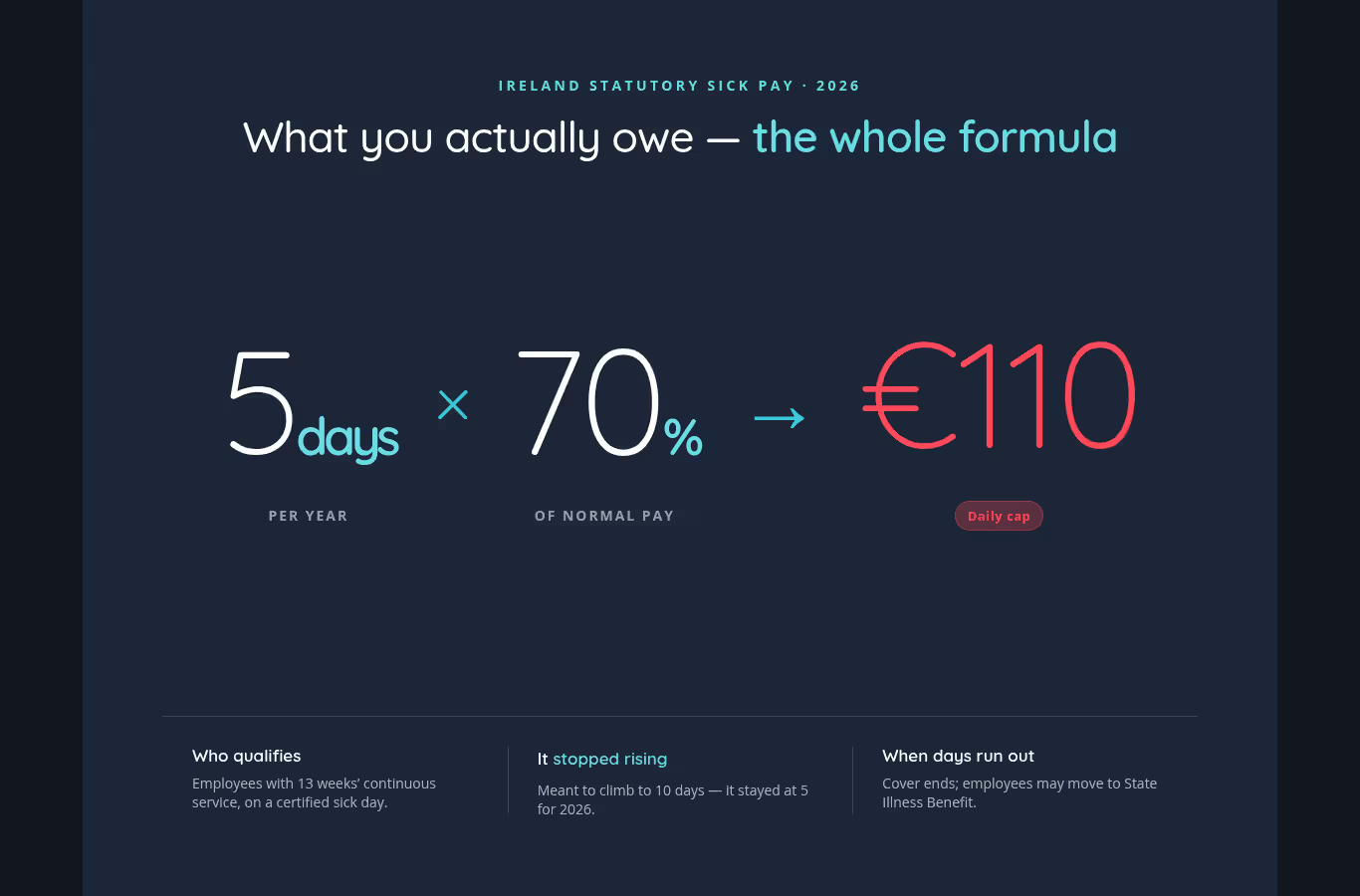
Ireland Sick Pay Rules 2026: What Employers Must Pay
Statutory sick pay is one of the rules international employers most often get wrong in Ireland, partly because the entitlement was meant to keep rising and then stopped. Here is what you actually owe in 2026: 5 days at 70% of normal pay, capped at €110 a day, who qualifies, what happens when the days run out, and how an Employer of Record applies it all correctly through Irish payroll.
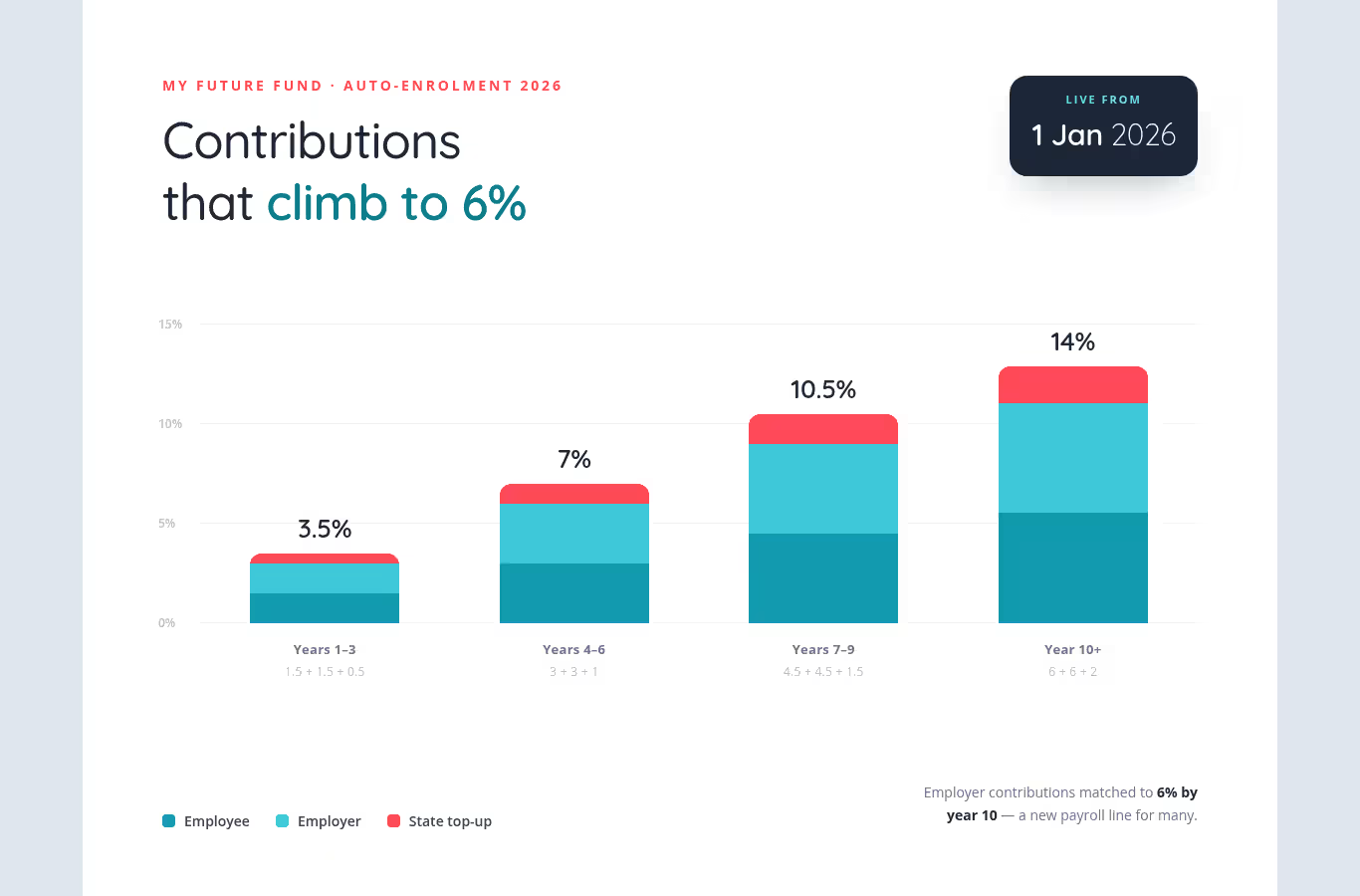
Ireland Pension Auto-Enrolment 2026: My Future Fund Guide
My Future Fund, Ireland’s new auto-enrolment pension, went live on 1 January 2026 and creates a default pension obligation for employers that previously had none. This guide covers who gets enrolled, the contribution rates and how they rise to 6% over ten years, the opt-out windows, the State top-up, and what auto-enrolment means in practice for payroll, including through an Employer of Record.
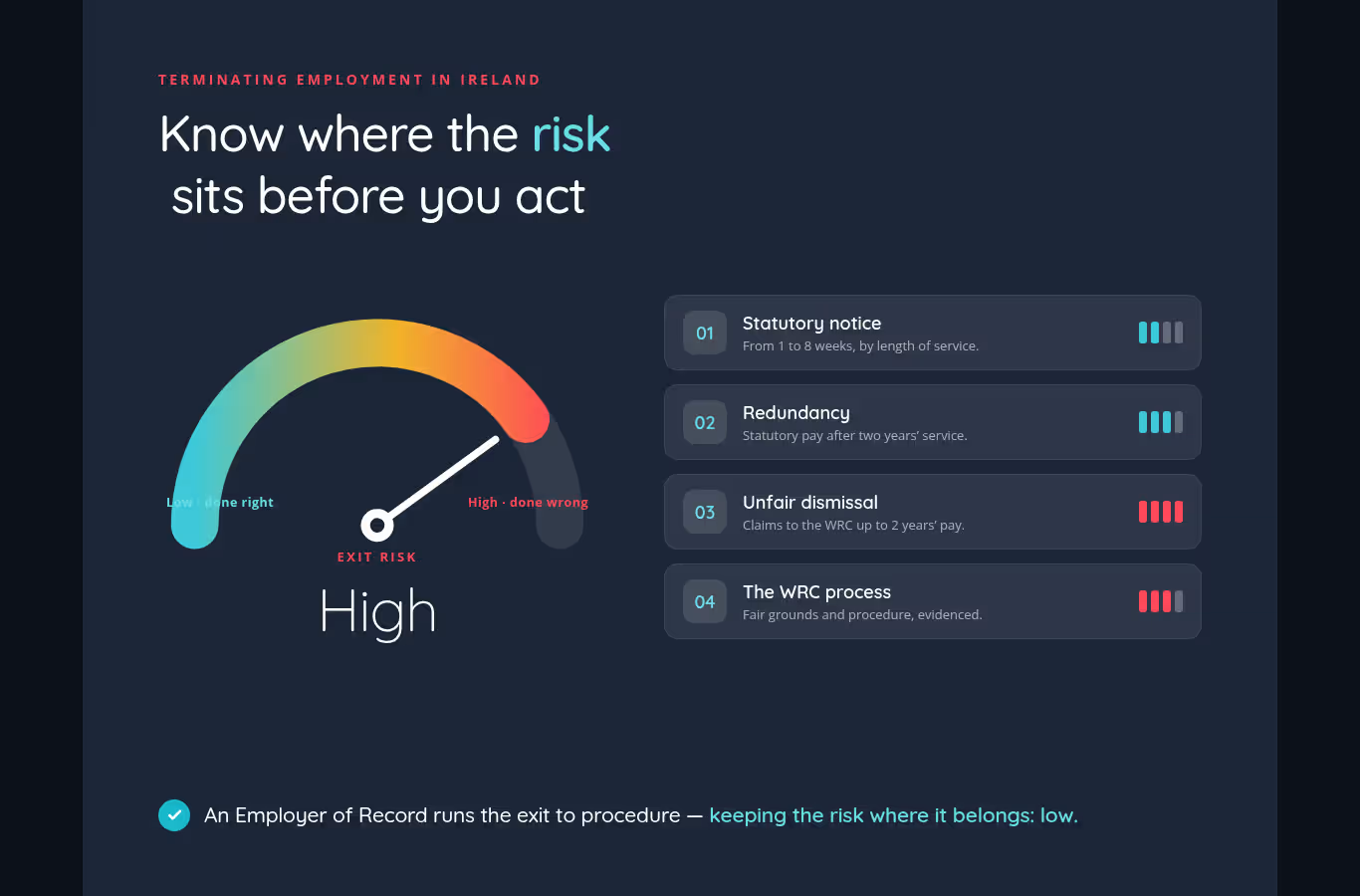
Terminating Employment in Ireland: Notice & Redundancy
Ending employment is the area international employers worry about most when hiring in Ireland. This guide covers statutory notice periods, redundancy entitlements, the Workplace Relations Commission, and unfair dismissal rules, and shows where the risk sits before you act, plus how an Employer of Record keeps exits compliant.
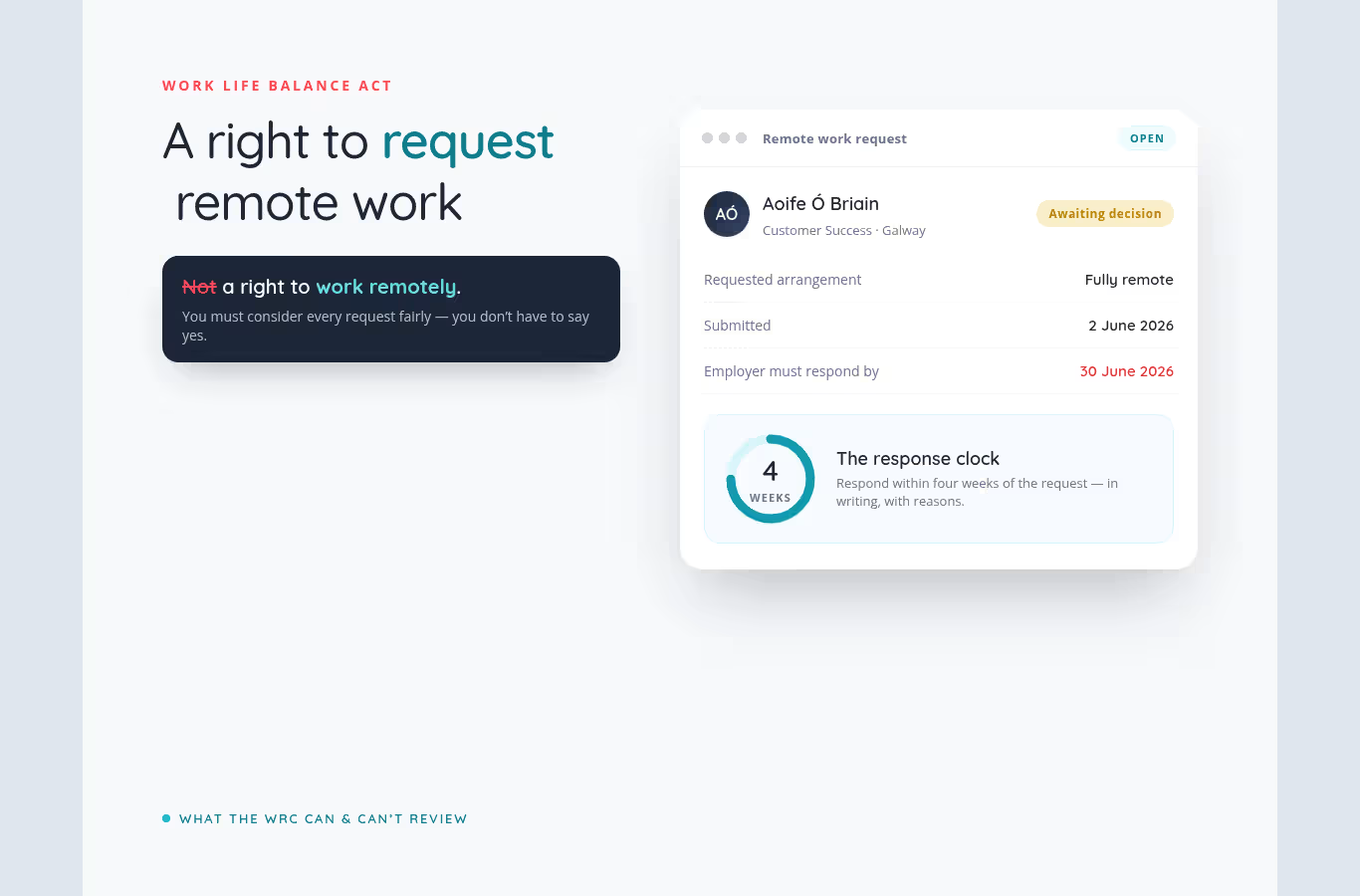
Right to Request Remote Work in Ireland: Employer Rules
The Work Life Balance Act gave employees a right to request remote work, not a right to work remotely. We break down exactly what the law obliges employers to do, the four-week response clock, what the WRC can and can’t review after the Karabko v TikTok decision, and what it all means for distributed teams hiring in Ireland.
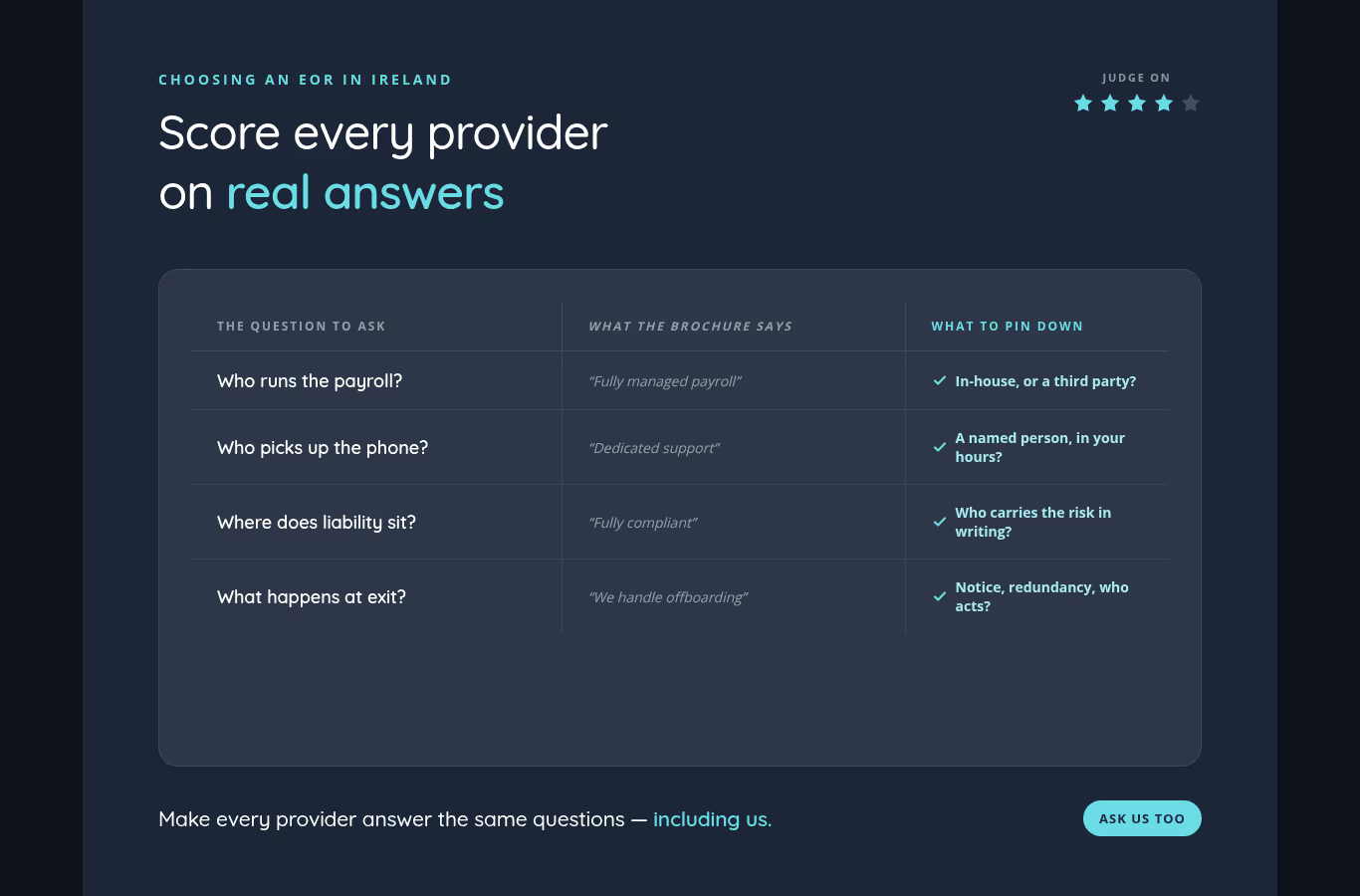
How to Choose the Best Employer of Record in Ireland
Most EOR provider websites read the same. The real differences show up later, in how payroll runs and who picks up the phone when something goes wrong. This guide sets out the questions worth asking any provider in Ireland, including us, so you can judge each one on concrete answers rather than the brochure.
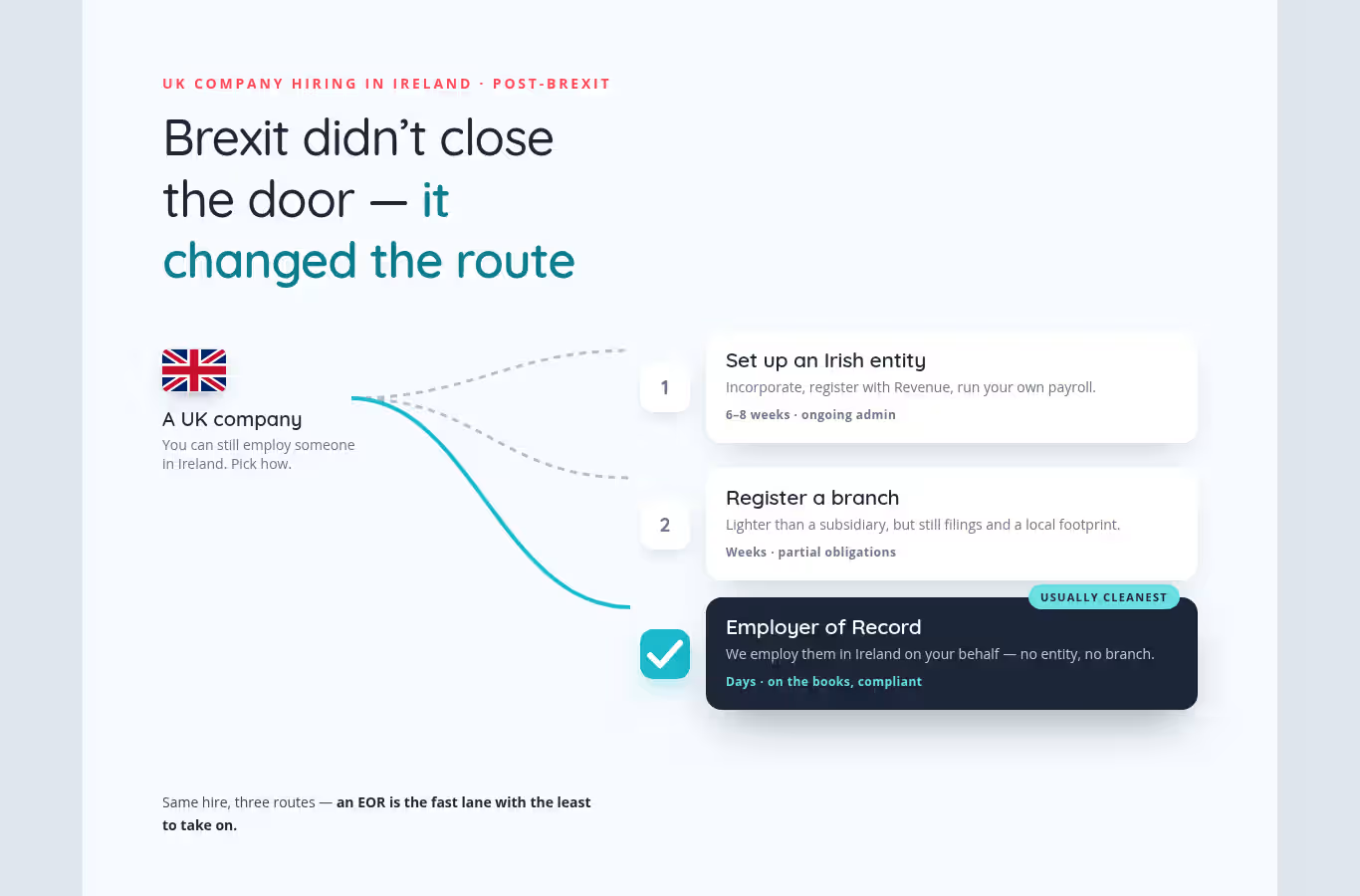
Can a UK Company Hire an Employee in Ireland After Brexit?
Worried Brexit closed the door on hiring in Ireland? It didn’t. A UK company can still employ someone in Ireland; what changed is the route you take to do it. Here are your three options, the Irish compliance rules you take on, and why an Employer of Record is usually the cleanest way to get someone on the books, fast and without a local entity.
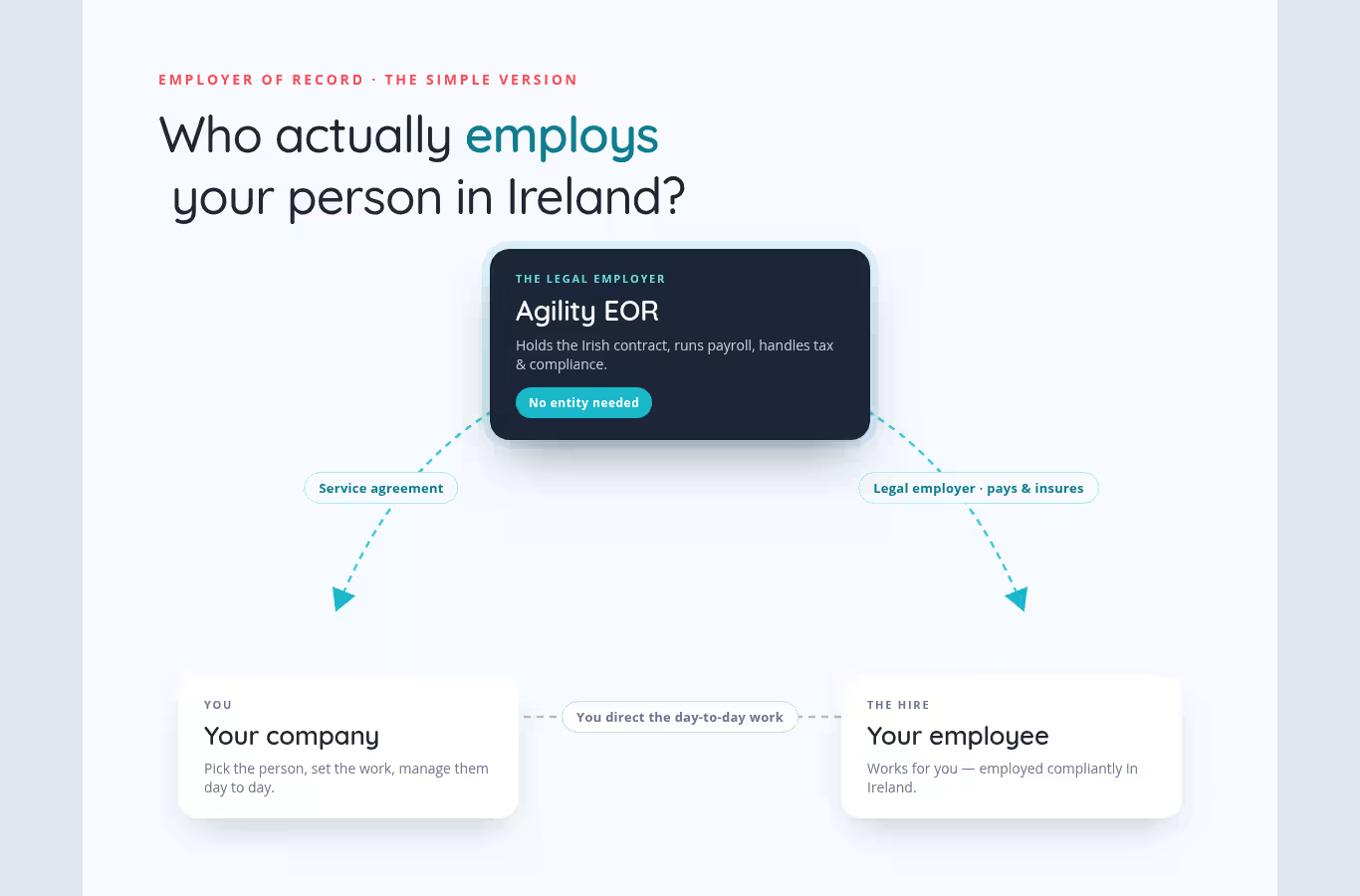
What Is an Employer of Record in Ireland? Simple Guide
New to the term? This plain-English guide explains what an Employer of Record is, who the legal employer is, and how the model lets you hire in Ireland without setting up a local entity.
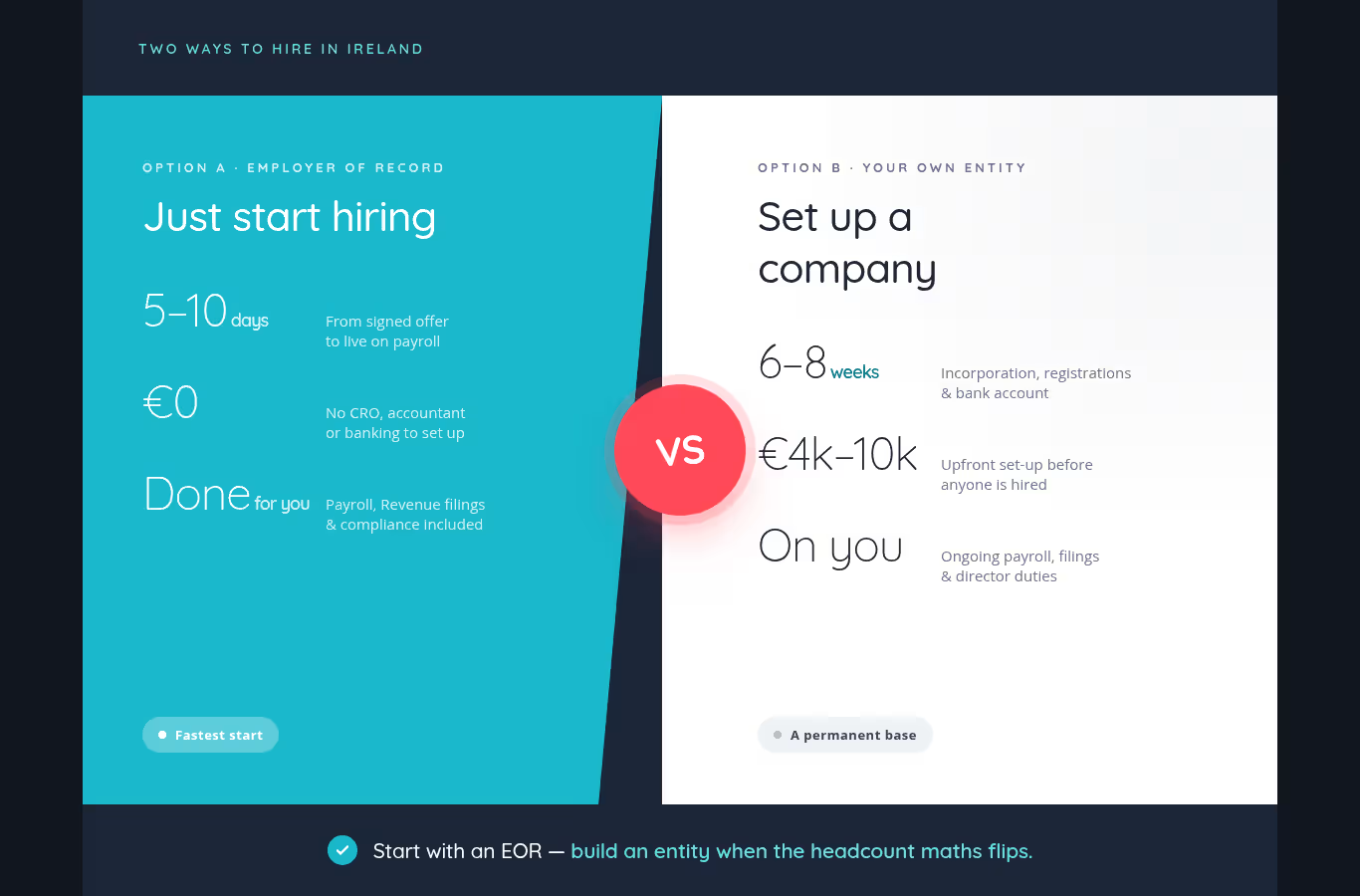
Employer of Record Ireland vs Setting Up an Irish Entity
Setting up an Irish company is one way to hire in Ireland, but it is not the only one, and often not the cheapest or fastest. This guide compares using an Employer of Record against incorporating your own entity on cost, time, and ongoing obligations, and is honest about the point where an entity becomes the better call.
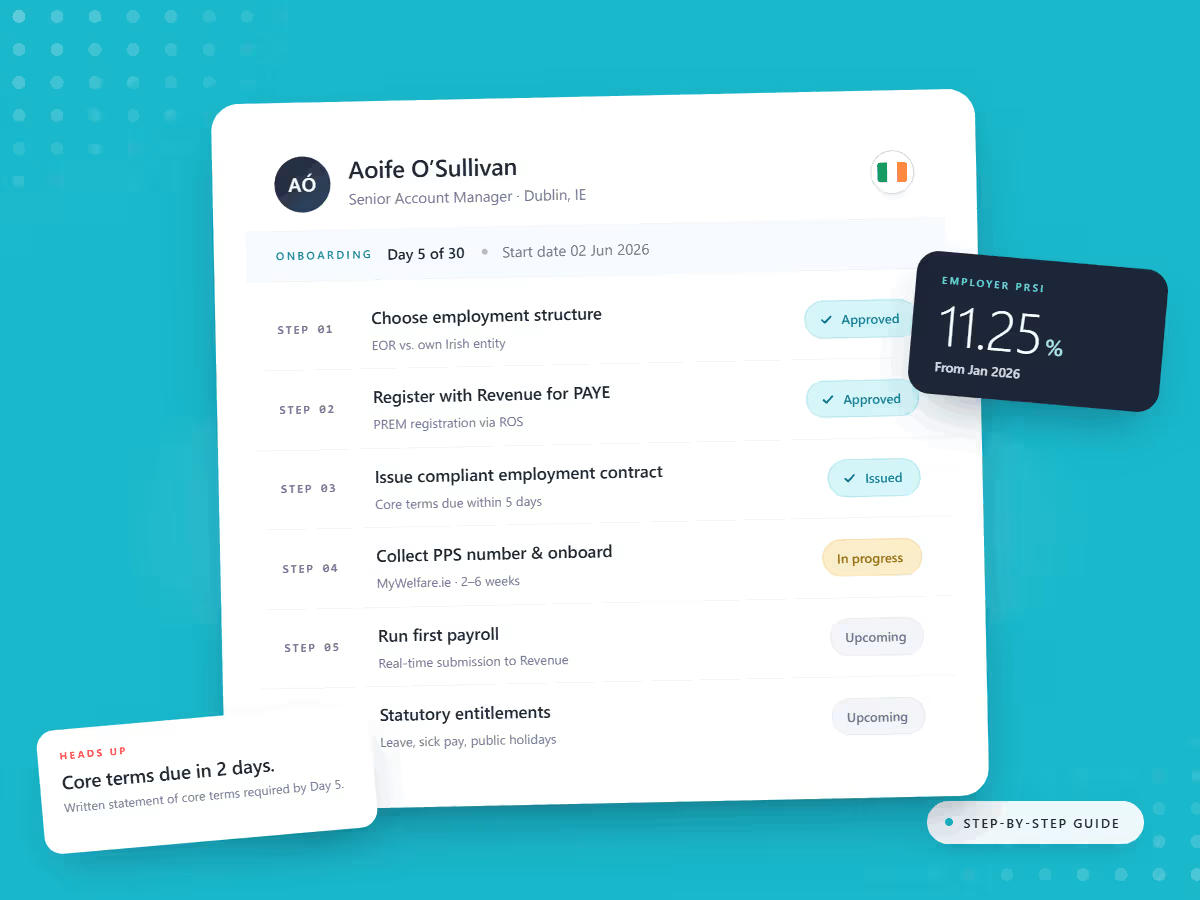
How to Hire an Employee in Ireland | Step-by-Step Guide
A step-by-step walkthrough of hiring an employee in Ireland for international employers. Covers choosing your employment structure, registering with Revenue for PAYE, issuing compliant contracts within the five-day deadline, collecting PPS numbers, running your first payroll, and understanding statutory entitlements like annual leave and sick pay.
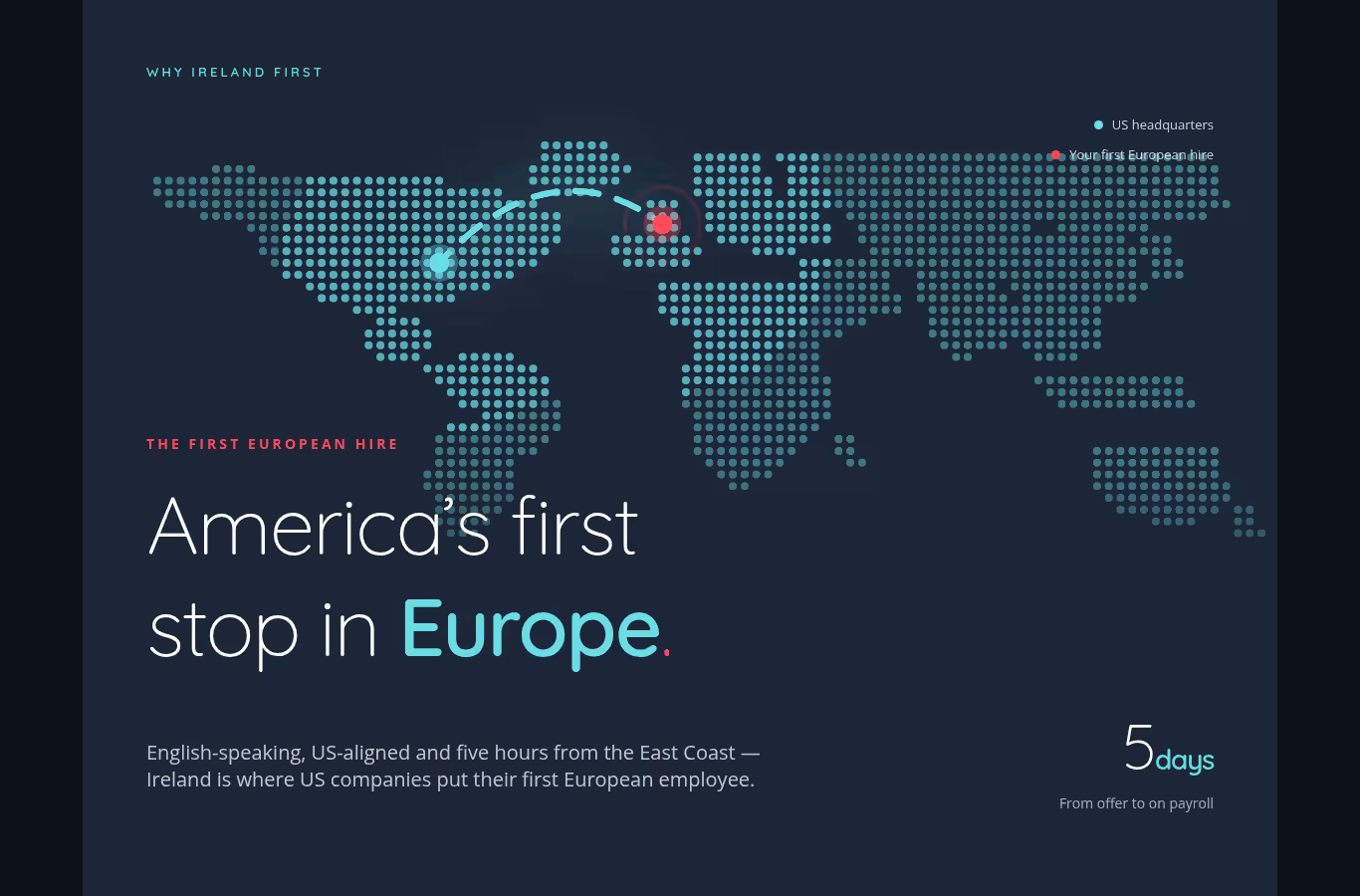
Why US Companies Are Hiring in Ireland First
Ireland has become the preferred first European hire destination for US companies, thanks to its English-speaking workforce, cultural alignment with American business practices, and favourable timezone overlap with the East Coast. Using an Employer of Record, companies can get someone employed and on payroll in days, without needing to set up a local entity.
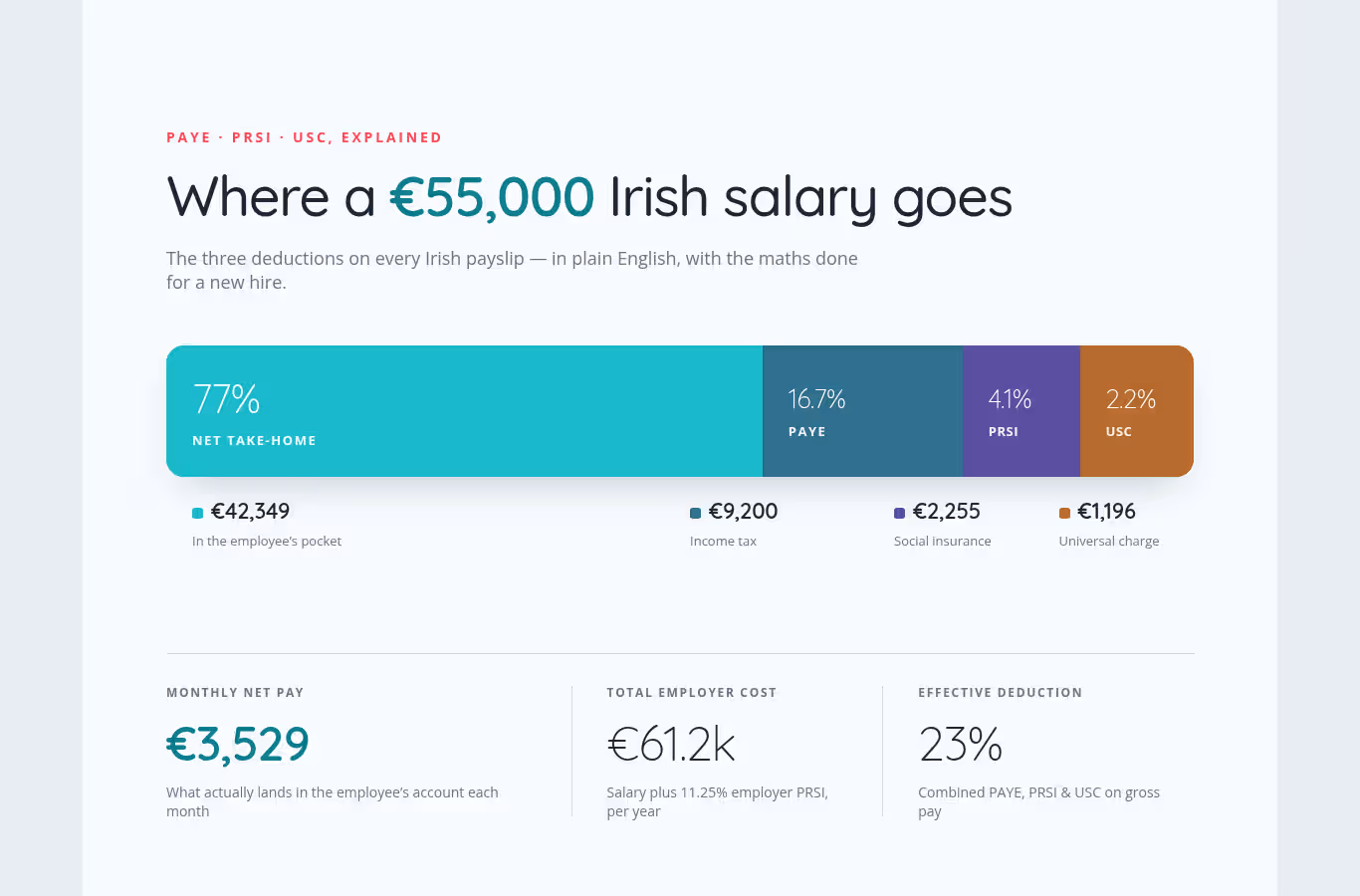
Ireland Payroll Explained: The Complete Guide for International Employers
Ireland payroll works on a real-time reporting model, with payroll details submitted to Revenue on or before pay date. This guide explains PAYE, PRSI and USC deductions, employer PRSI costs, minimum wage 2026, sick pay, MyFutureFund pensions, and payslip requirements.
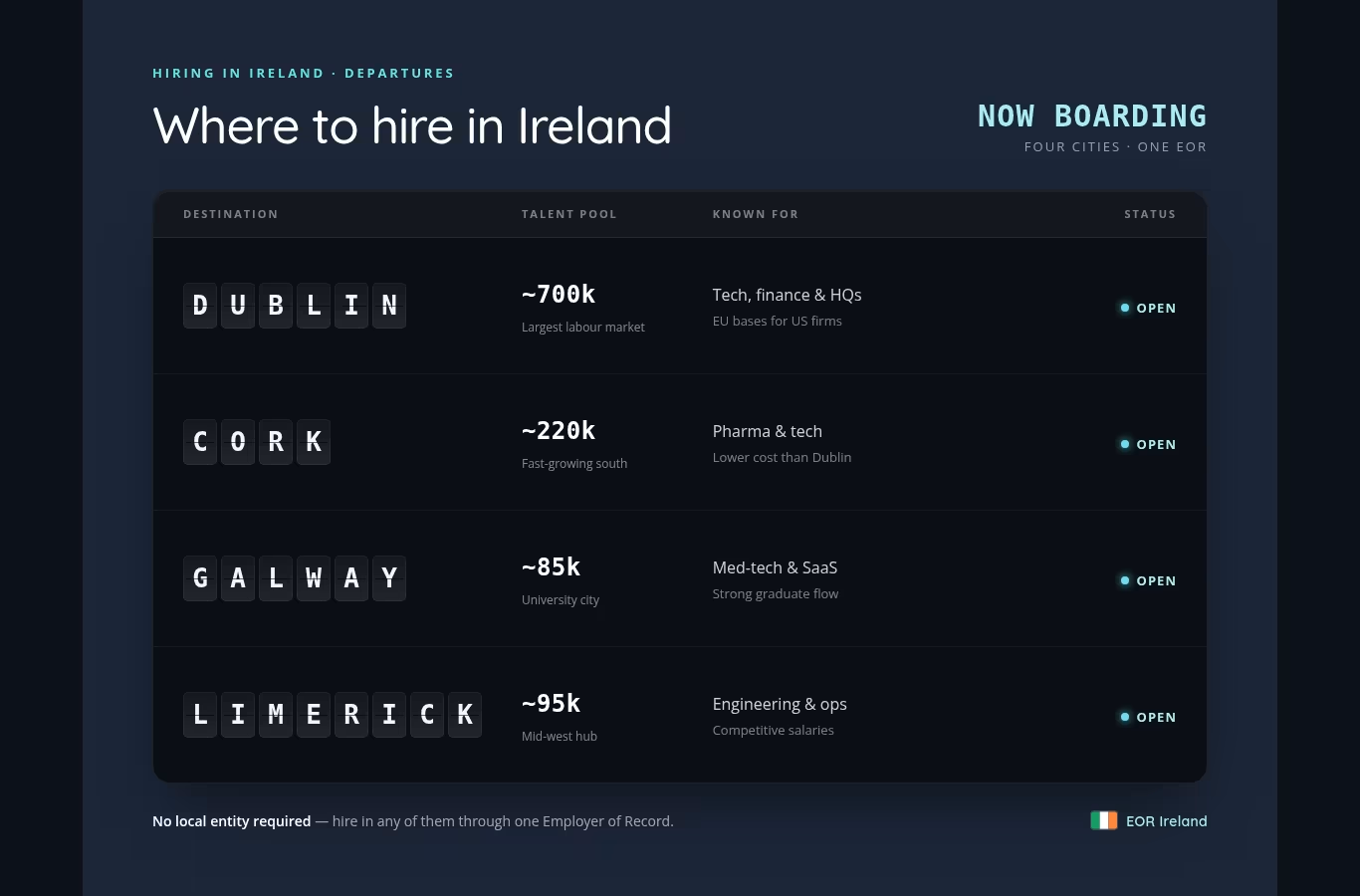
Best cities in Ireland to hire employees
Hiring in Ireland can look very different depending on location and role type. This guide covers the best Irish cities to hire in, including Dublin, Cork, Galway, and Limerick, with practical notes for international employers using Employer of Record Ireland and EOR Ireland.
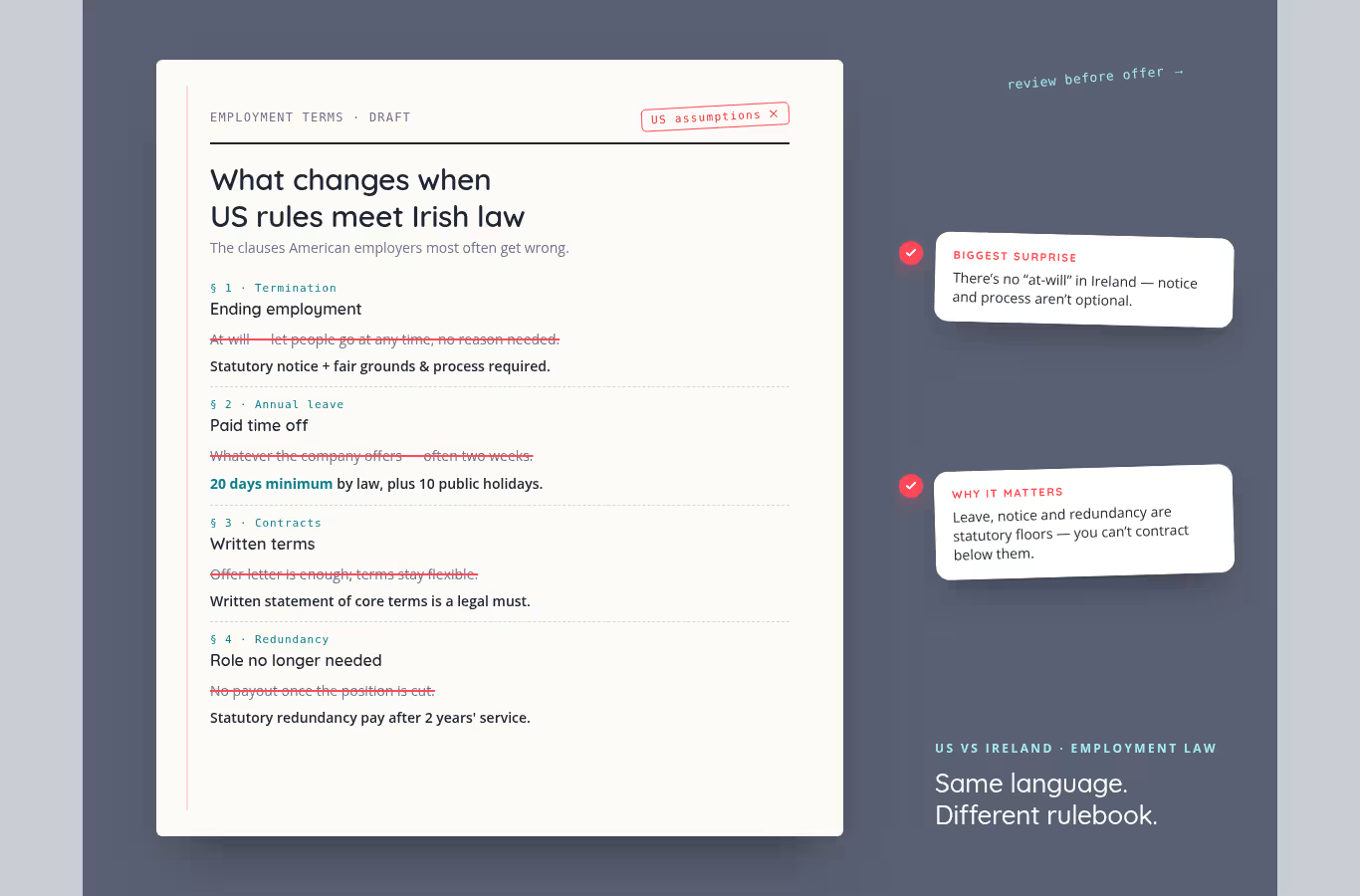
Differences between US and Ireland employment law
US employers often assume employment rules will feel familiar across English-speaking markets. This guide covers the key differences between US and Ireland employment law. From contracts and annual leave to termination rules and redundancy. Learn more about the things that matter most for international companies expanding into Ireland.
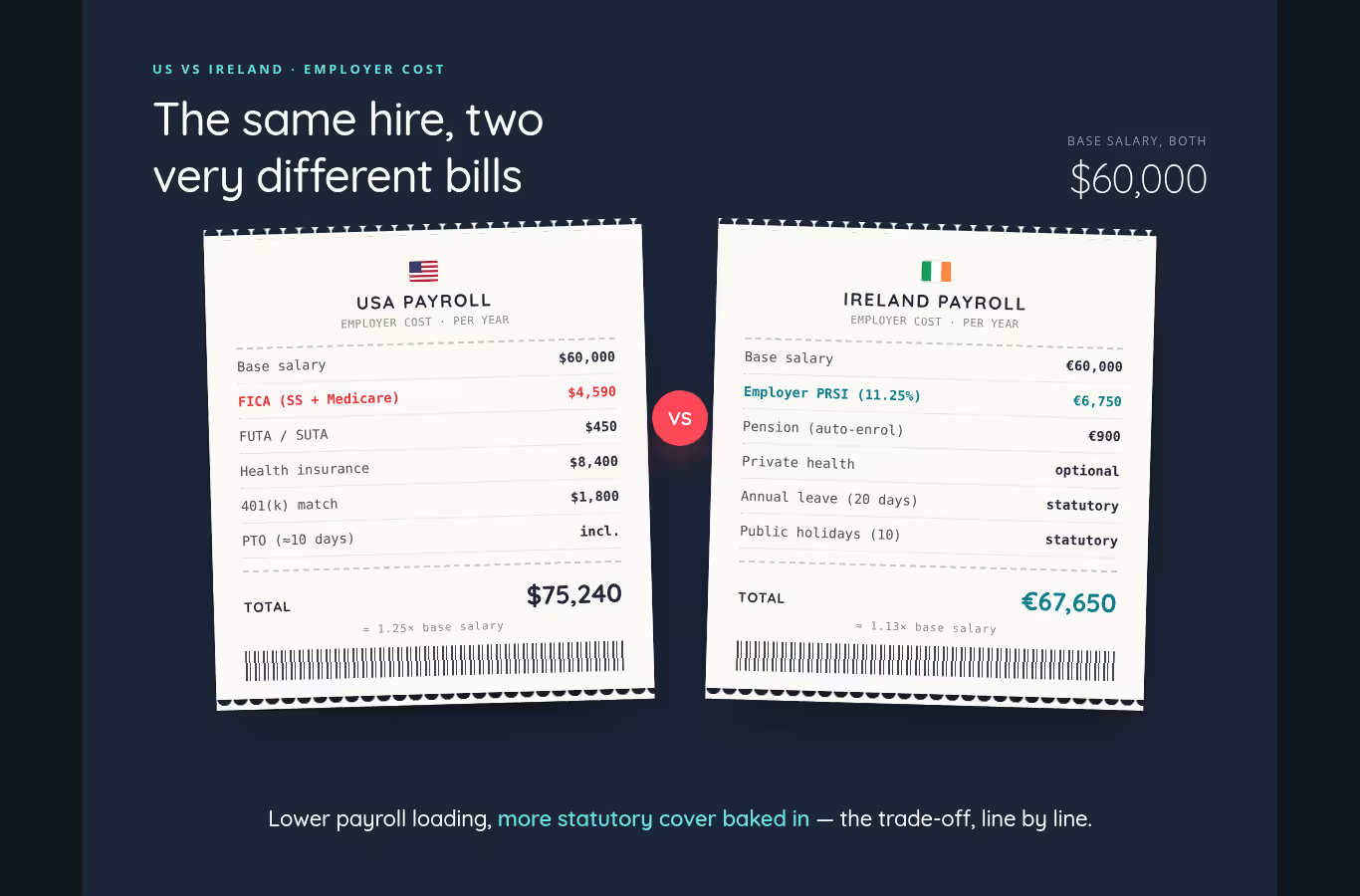
US vs Ireland employer costs: what changes when you hire in Ireland
US vs Ireland employer costs differ most in payroll taxes, benefits expectations, paid time off, and exit planning. This guide explains FICA vs employer PRSI, healthcare and pension considerations, statutory leave, and redundancy cost basics.
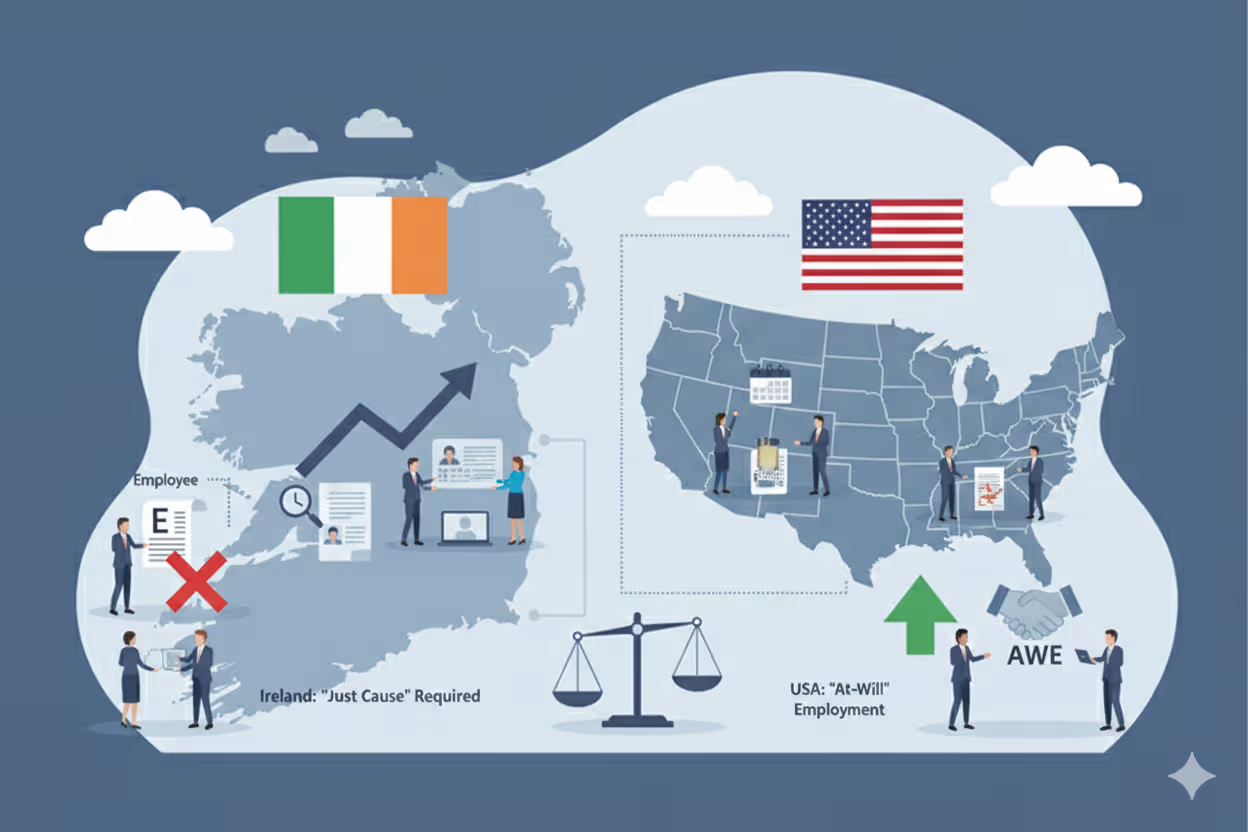
US vs Ireland termination rules
US vs Ireland employment law differs most around statutory leave, working time limits, minimum wage rules, and termination timelines. This guide explains the key differences US employers need to understand when hiring in Ireland.

Protecting your IP when expanding to Ireland
Expanding to Ireland often means your team will create code, content, customer assets, and confidential commercial materials. This guide explains how IP ownership works in Ireland, what contract clauses matter, how to protect trade secrets, and when to register trade marks and patents, with Employer of Record Ireland and EOR Ireland context.

What does “misclassification” mean in an Ireland employment context?
Treating someone as a contractor when the role operates like employment creates real tax and HR risk in Ireland. This guide covers how Revenue assesses status, what the Karshan judgment changed, and how to manage the exposure before it compounds.

How the EOR process works in Ireland
An Employer of Record (EOR) is a company that becomes the legal employer for your worker in Ireland. You choose the person and manage the work, and the EOR handles the contracts, payroll, Revenue reporting, and HR compliance behind the scenes. This guide explains how the model works, how to evaluate providers, and what the five-step process looks like from candidate to first pay run.

Ireland Minimum Wage 2026
Ireland’s national minimum wage is €14.15 per hour from 1 January 2026 for workers aged 20+. This guide breaks down Ireland’s age-based rates, common compliance pitfalls, and how Employer of Record Ireland and EOR Ireland support can help international employers hire and pay correctly.